
MotorAnalyzer1
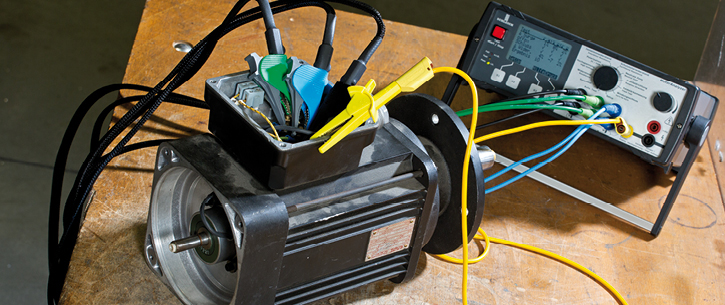
The entry-level tester - Universal electric motor tester

10 test methods in 1 tester.
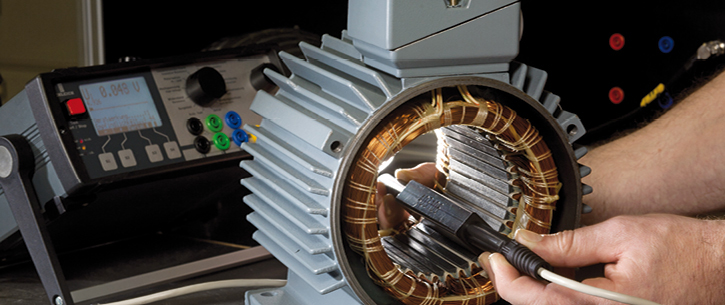
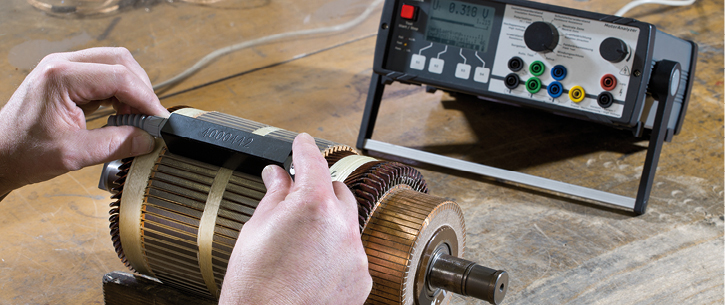
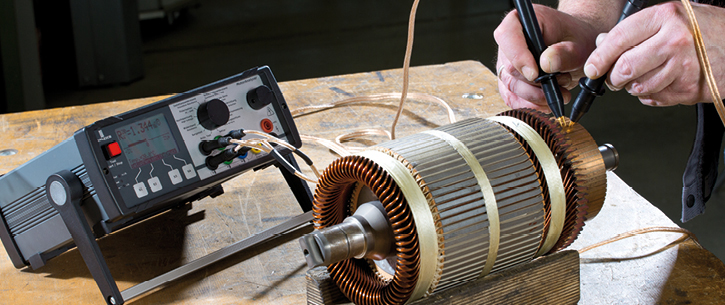
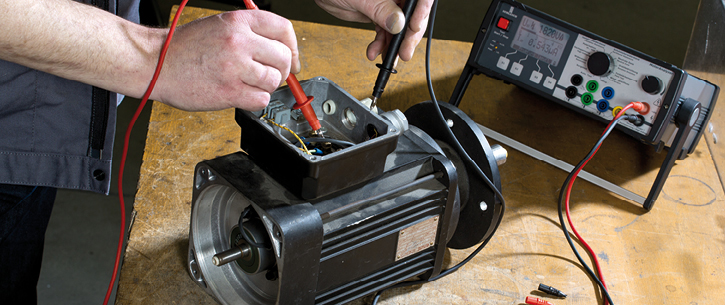
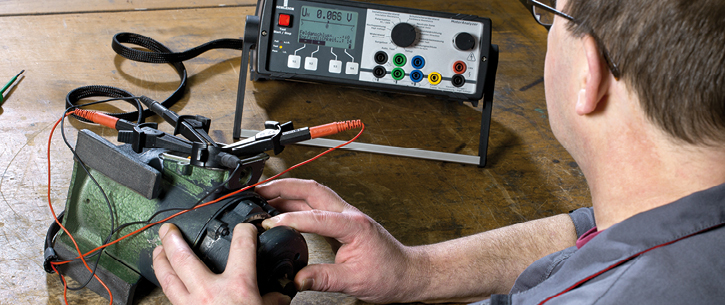
- Universal stator-, armature-, motor- and transformer tester
- 10 test methods
- autotest
- surge voltage
- resistance
- high-voltage DC
- polarization index
- insulation resistance
- PE/ ground resistance
- "neutral-zone"-adjustment at DC motors
- sense of rotation at stators or motors
- turn-to-turn fault location by test probe for stator and armature
- Rotary button for quick test method selection
- Automatic switch-over between the three motor connection leads
- Integrated result memory
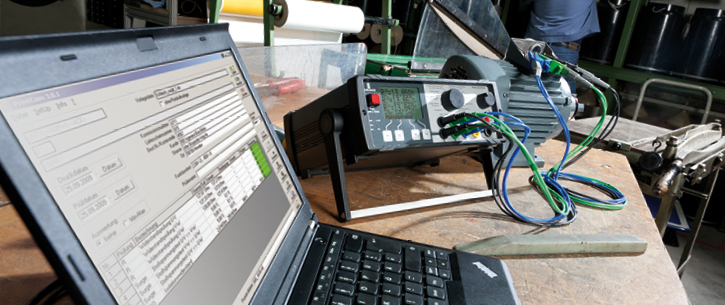
- Results are transferred to the PC by RS 232- /or USB- interface
- Clearly- legible, graphical display with large depiction
- Mains-independent battery operation with battery charge indicator
- Low weight
- WINDOWS®-Software for reading test results and printing test reports
 top
top


Product consultant
You need a personal product advice? Please use our direct contact:
+49 2372 901 25 40
You can send us your questions via e-mail:
Email request
Inquiry
Print Preview
For further information please do not hesitate to contact our technical sales under:
+49 2372 901 25 40